Indigo / Sioen

Rethinking software for touch.
Sioen develops specialised software for its production processes, including the manufacturing of boat sails. As part of a move away from older hardware, the existing software needed to be adapted for touchscreen devices.
I was brought in to explore how one part of the production workflow could be redesigned for touch interaction, while keeping the functionality operators relied on.
The goal wasn’t just to give the interface a more modern appearance, but to rethink how people would interact with it.
From mouse and keyboard to touch
Moving from a traditional desktop interface to a touchscreen changes more than just the size of buttons.
I reviewed the existing workflow and explored how its interactions could be adapted for touch. This included looking at navigation, information hierarchy and the way operators interact with different parts of the production process.
I worked through the user flows and redesigned the relevant screens, focusing on making the interface clearer and more suitable for direct interaction.
Touch isn’t just desktop with bigger buttons.
Changing the input method means reconsidering how people navigate, interact and complete their tasks.
Creating a visual foundation
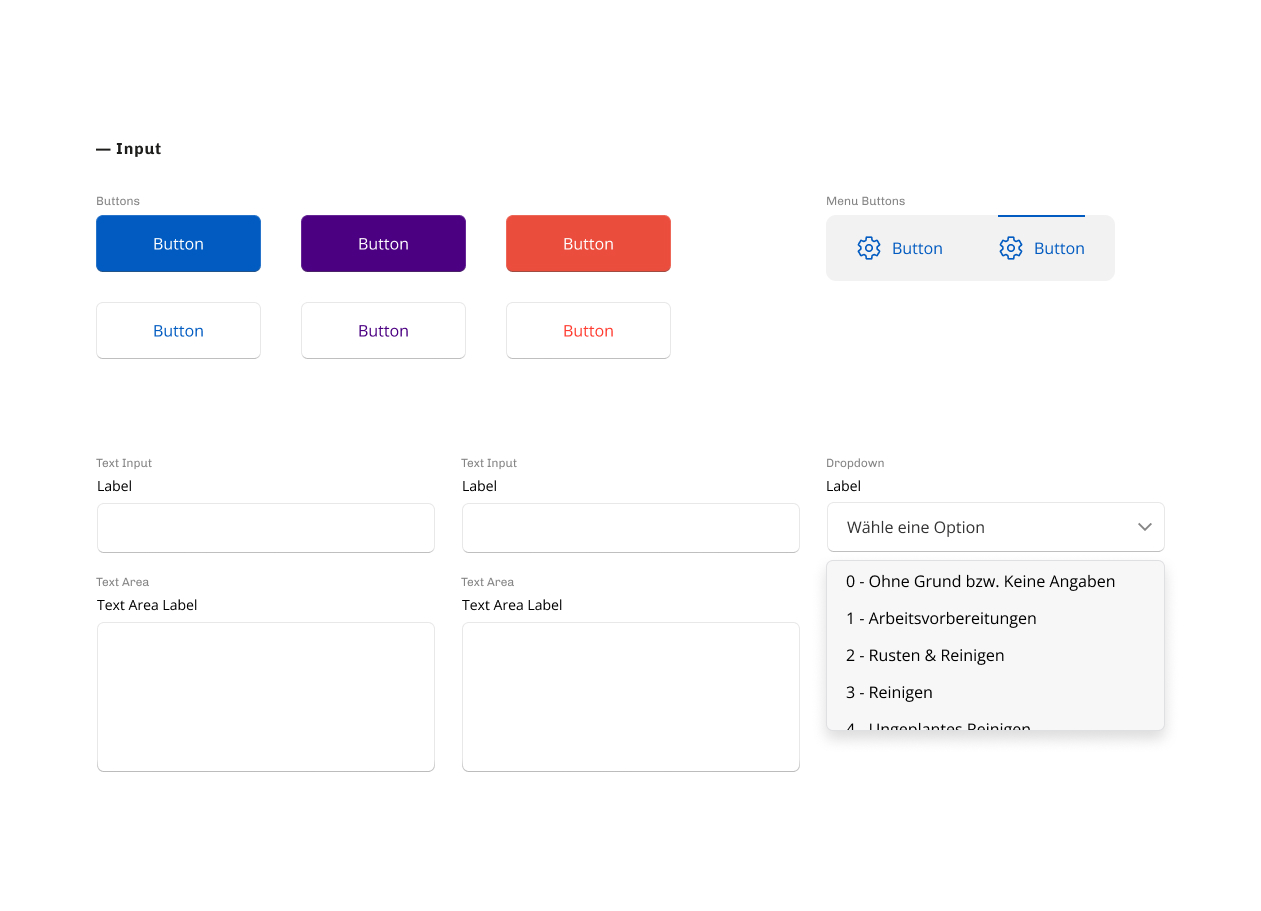
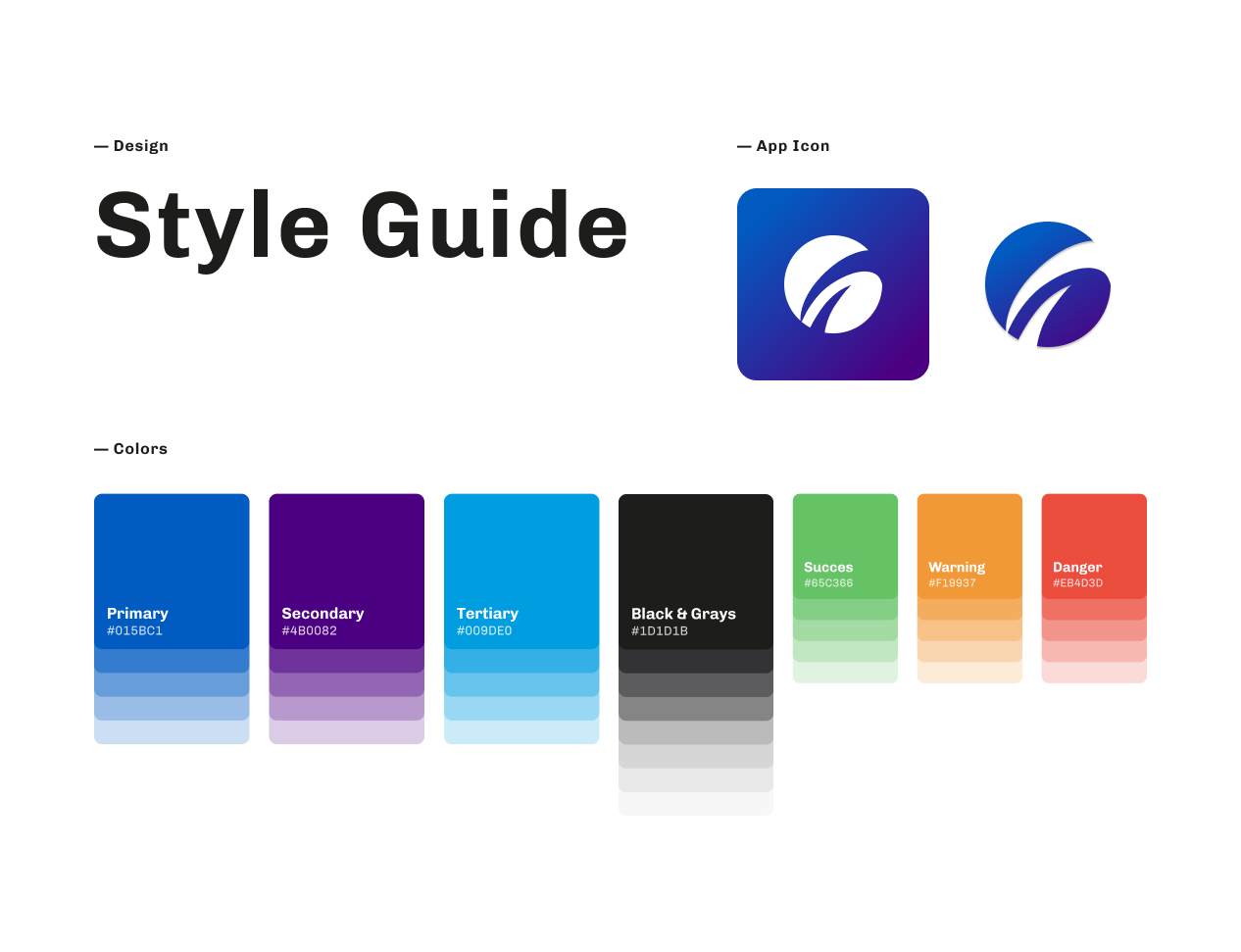
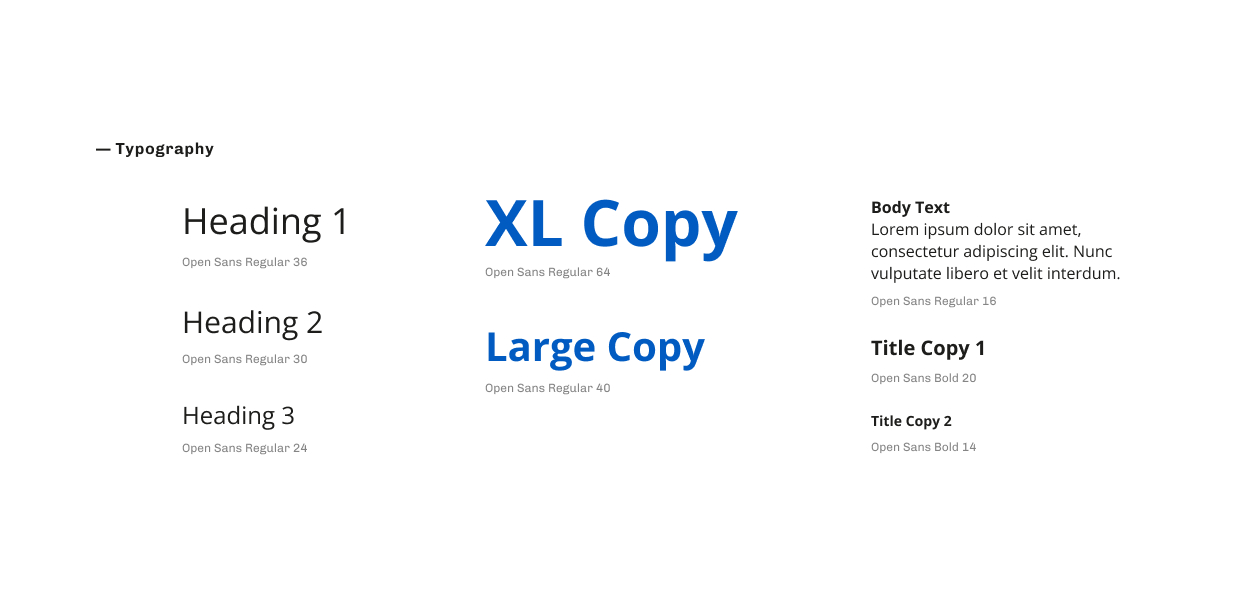
Alongside the UX work, I created a basic style guide to establish a consistent visual direction for the redesigned interface.
This included typography, colours, buttons, form elements and reusable UI components.
The style guide provided a foundation for the prototype and helped keep the different screens visually consistent.
Bringing the workflow together, from concept to prototype
I brought the redesigned screens together in an interactive prototype, showing how the updated interface could work across different parts of the production process.
The work covered several views, including the dashboard, production line status, tile-based navigation and details.
The project resulted in a foundational style guide, redesigned UI screens and an interactive prototype, presented through mockups and a final presentation.
It was an opportunity to combine UX thinking with interface design, working within the constraints of an existing industrial workflow rather than designing something entirely from scratch.