KPD

Bringing construction software to the web.
KPD develops ERP software for the construction industry. Their existing applications were becoming outdated, and they wanted to explore how their software could move towards modern web applications.
I joined the project through Euricom, initially working on a proof of concept. What started as an exploration eventually grew into the design and development of several applications.
As the sole designer on the project, I was responsible for the UX and UI design process, working directly with stakeholders and development leads to translate business requirements into practical, usable interfaces.
Alongside the design work, I was also actively involved in frontend development, building components and helping bring the applications into production.
Starting with a foundation
As the only designer, I was responsible for establishing a consistent design direction across the new applications.
This meant working closely with stakeholders to understand their requirements, while collaborating with development leads to make sure the proposed solutions were technically feasible.
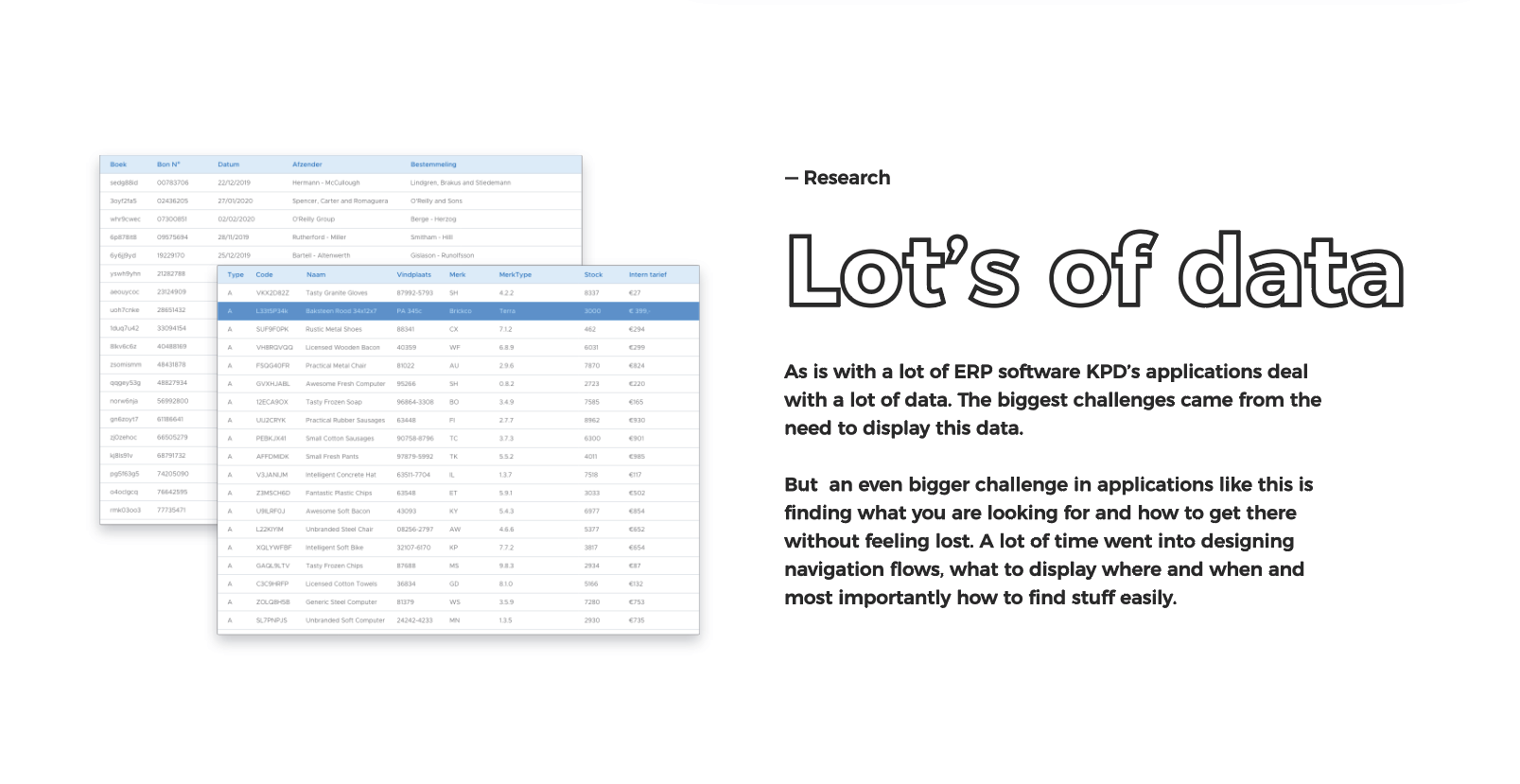
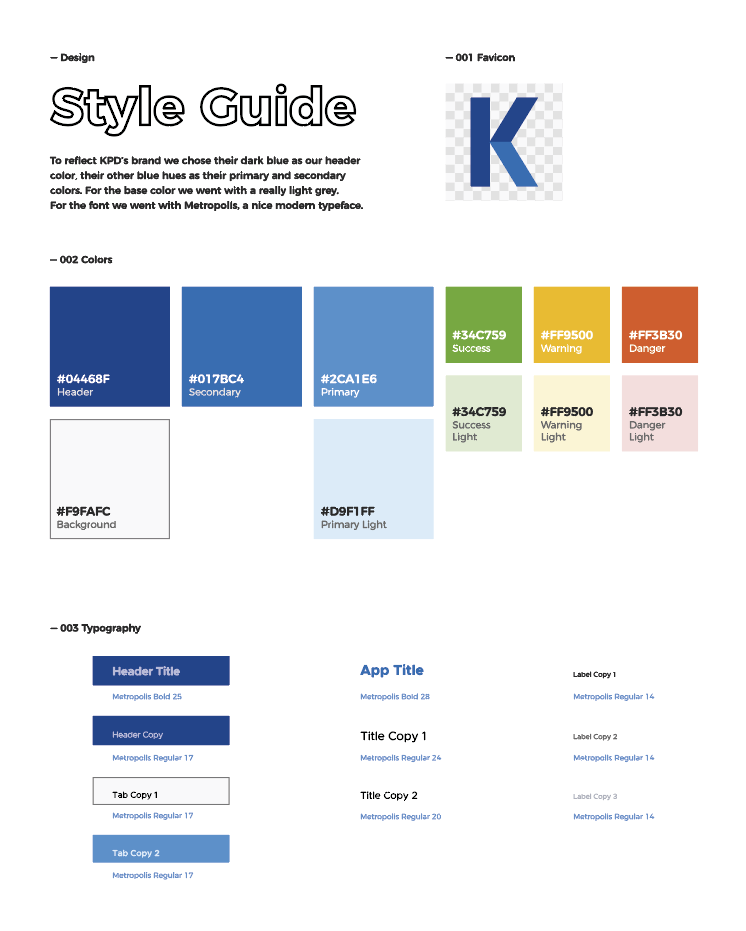
I worked on the user flows, interface designs and a shared style guide covering typography, colours and reusable UI components.
Rather than approaching each application separately, I focused on creating a common foundation that could support future products and make the design and development process more consistent.
Being the only designer doesn’t mean working alone.
A big part of my role was connecting business requirements, user needs and technical possibilities to find solutions that worked for everyone.
From design to development
Alongside the design work, I was actively involved in frontend development.
I helped build reusable UI components, set up the CSS architecture and worked on a component framework that could be used across applications.
I also wrote end-to-end tests to help verify that important functionality continued working as expected.
Having responsibility on both sides made it easier to connect design decisions with technical implementation, without treating them as two separate processes.
Designing something is one thing. Building it is another.
Being involved in both helped me make decisions that worked for the interface and the code behind it.
Building real applications
The project moved beyond the initial proof of concept into several web applications.
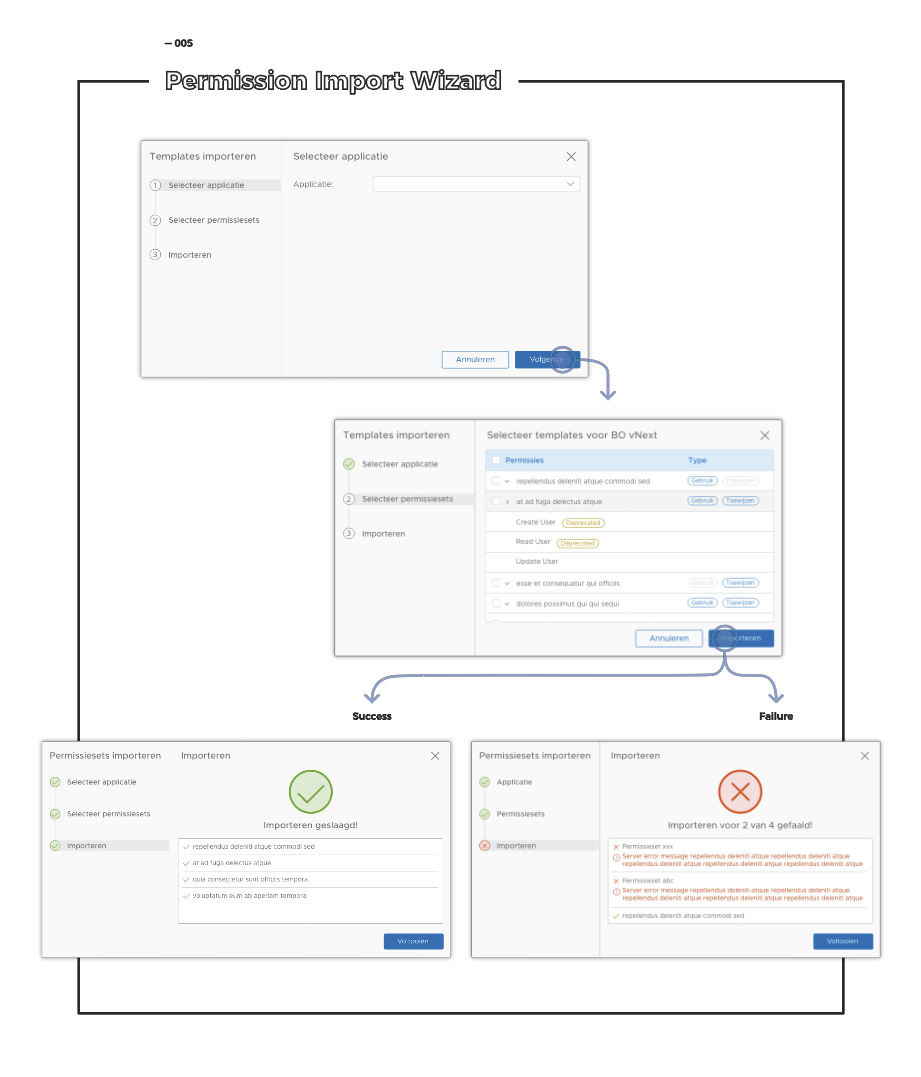
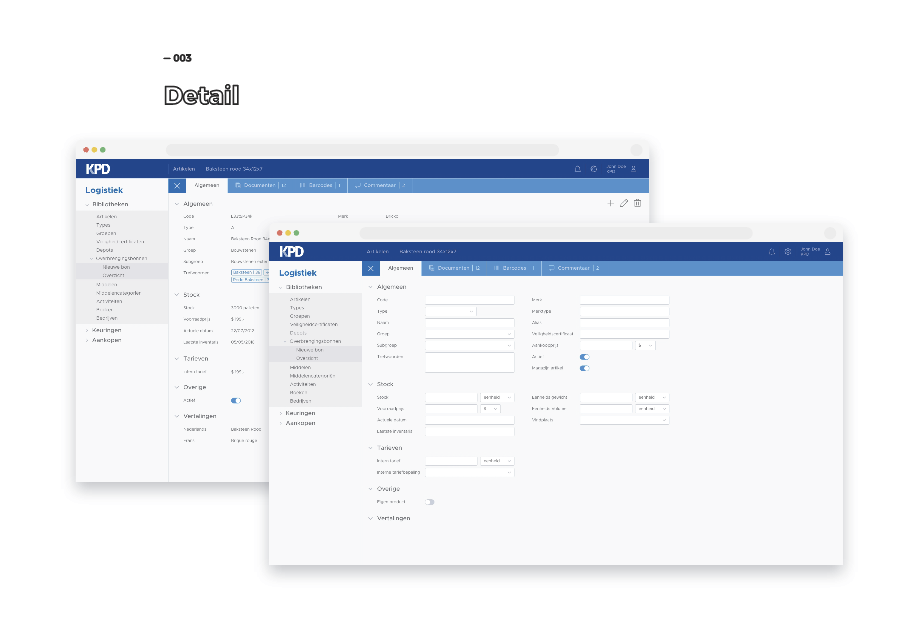
Among the applications that reached production were tools for licence management and user management.
These were built around shared components and a consistent visual language, creating a foundation that could be reused in future applications.
The work also included an Ionic proof of concept, exploring another approach to building interfaces.
A foundation for what comes next
By the end of my involvement, several applications had reached production, supported by a reusable component framework and style guide.
For me, KPD was a project where my design and development experience came together particularly well. I could help shape the experience, build parts of it myself and work with the team on a foundation that could support future applications.
It’s also a good example of why I enjoy working across disciplines rather than focusing on just one part of the process.